Overview
Background
During my sophomore year of college, I was tasked with designing a liquid pouring vessel that could express an emotion without the use of words. This project challenged me to explore how an object's shape, form, and movement can communicate feelings and create an emotional connection with the user.
Throughout the design process, I experimented with different forms and learned how to refine my vessel to communicate its intended emotion. I also developed new hands-on skills working with HDU foam, allowing me to bring my ideas to life through physical prototyping.
Ultimately, this project taught me that design goes beyond functionality. The way an object is shaped and experienced can evoke emotions, tell a story, and create a meaningful connection with people.
Objective
Design and create a liquid pouring vessel in the form of a teapot, teacup, or pitcher that expresses a chosen emotion through its shape and form. For this project, I decided to explore the emotion of dread, focusing on how the vessel's design could evoke a sense of uneasiness and discomfort without the use of words.
Mood Board
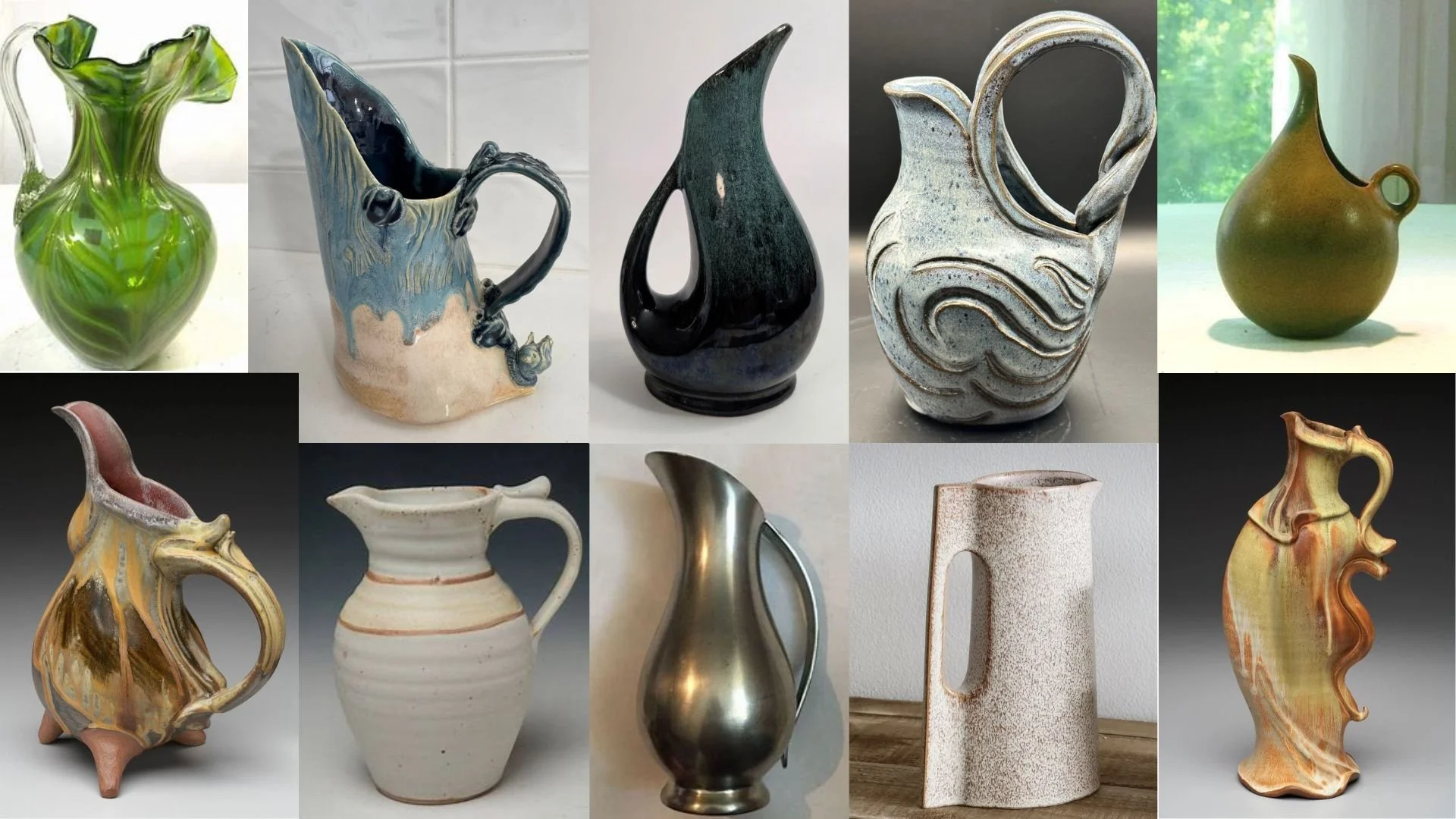
My mood board explores pitchers with uneven shapes and unusual forms that transform familiar objects into something unsettling. Their unpredictable shapes and awkward curves create the emotion I wanted to express dread. By distorting the familiar form of a liquid pouring vessel, I wanted to create a sense of tension and uneasiness.
The shifting weight, irregular curves, and unstable appearance make the pitcher feel difficult to control, turning an ordinary object into something that feels uncomfortable and potentially dangerous. Through these visual references, I explored how form alone can evoke dread and make a familiar object feel unfamiliar.
Ideation
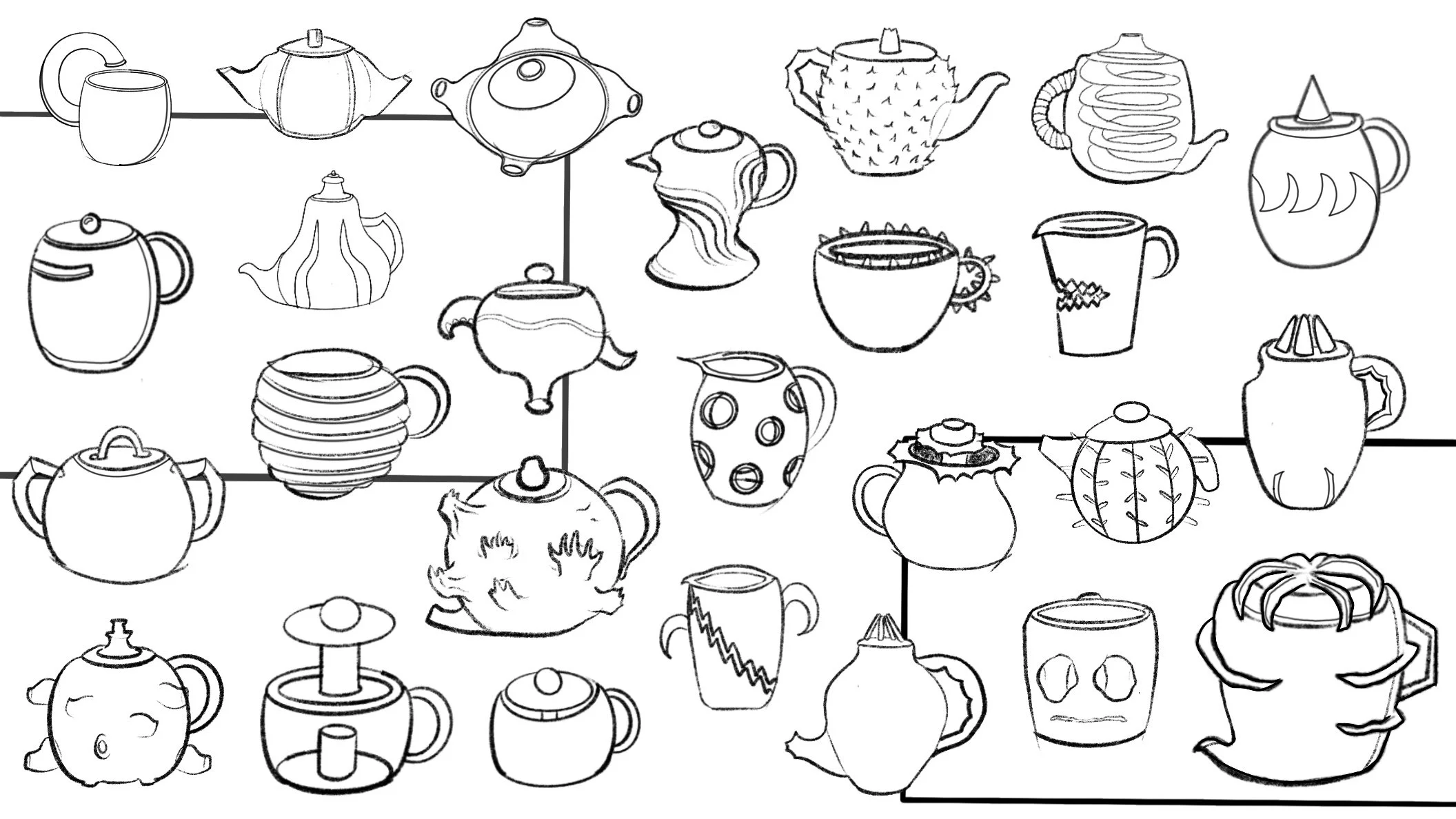
During the ideation phase, I explored different shapes and forms that could express the emotion of dread through a liquid pouring vessel. I experimented with uneven proportions, distorted curves, and unusual silhouettes to create a sense of tension and discomfort. Through sketching and exploring different concepts, I began to understand how changing the form of a familiar object could make it feel unsettling.
My goal was to create a vessel that not only expressed dread visually but also asked the user question how it would function and feel when held.
Iteration
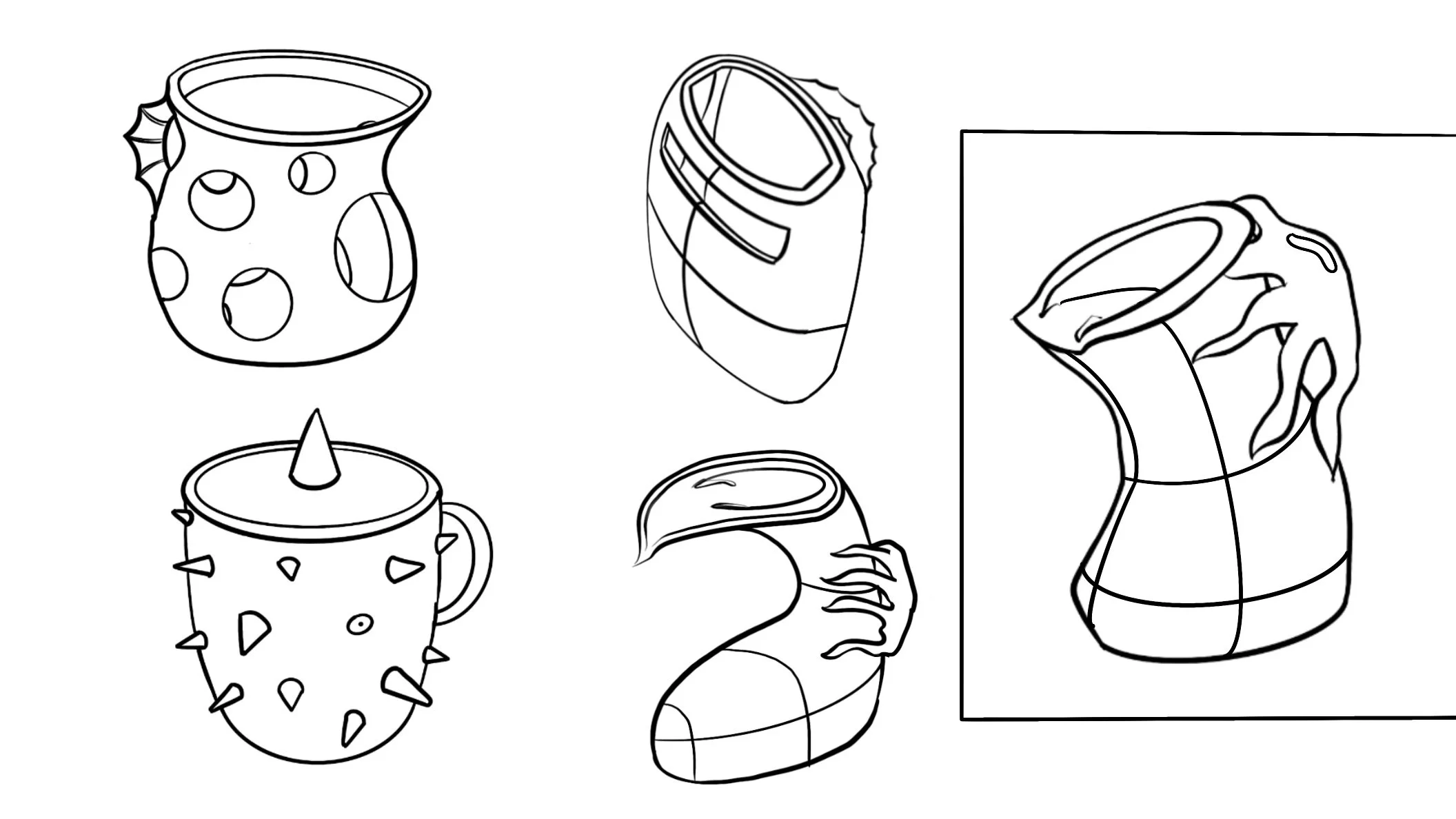
During the iteration phase, I narrowed down my ideas to five concepts that explored how a pouring vessel could evoke the emotion of dread through its form and functionality. These included a glass vial with multiple holes, a vessel with a large rectangular pouring opening, a spiky form with holes at each point, and two variations featuring a creature-like handle that appears to control the body of the pitcher.
Each concept challenged the simplicity of holding and pouring from an ordinary vessel. I wanted to create a sense of uncertainty, where the user questions whether the liquid will pour normally or behave in an unexpected way. Through these iterations, I explored how ambiguity and unconventional forms could make users hesitate, examine the object, and question whether they should pour from it at all.
Prototyping
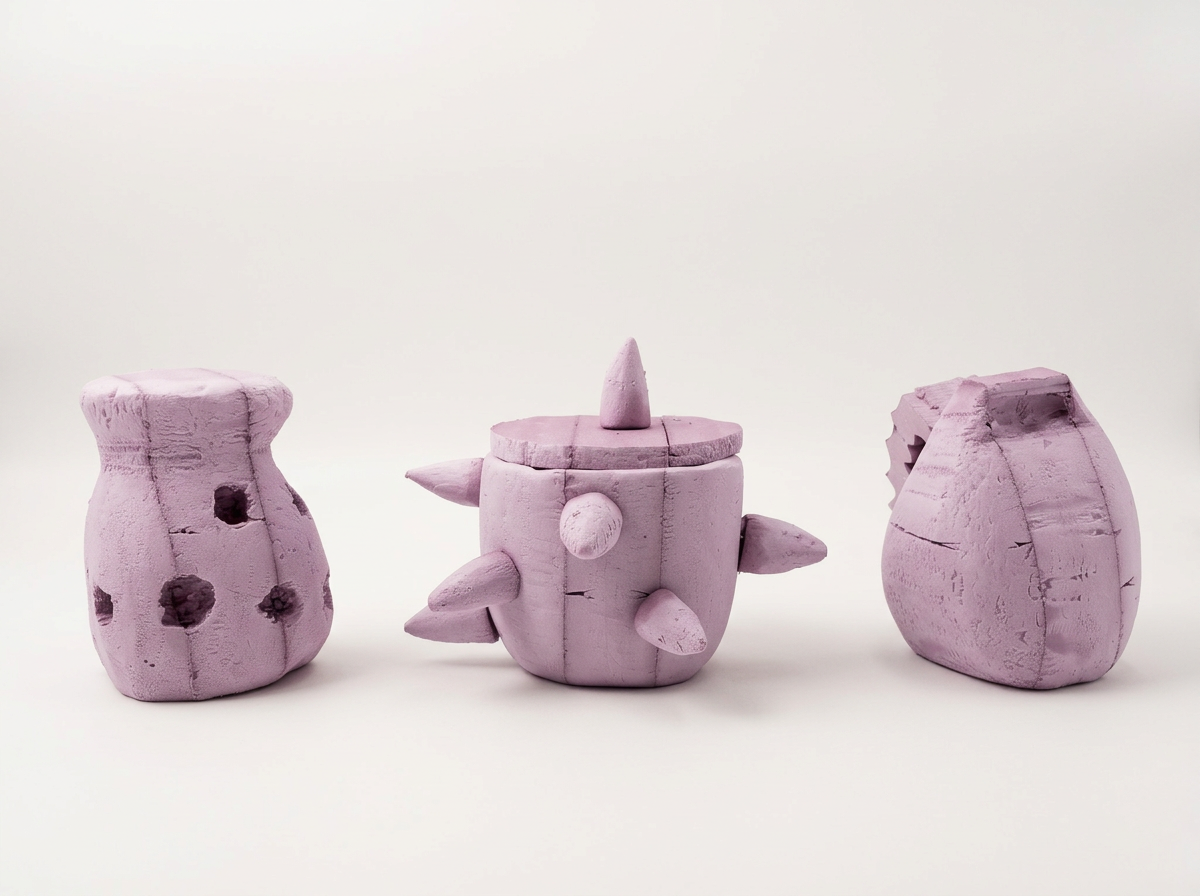
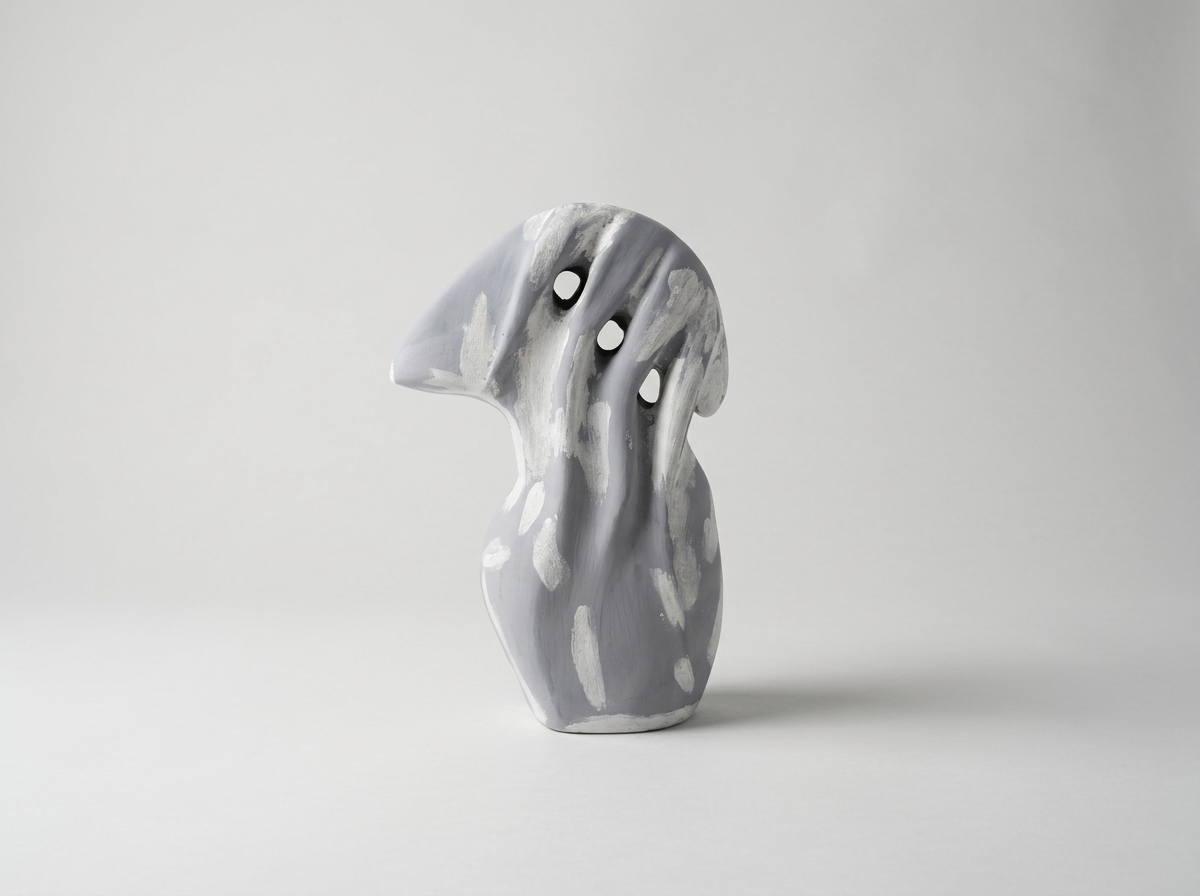
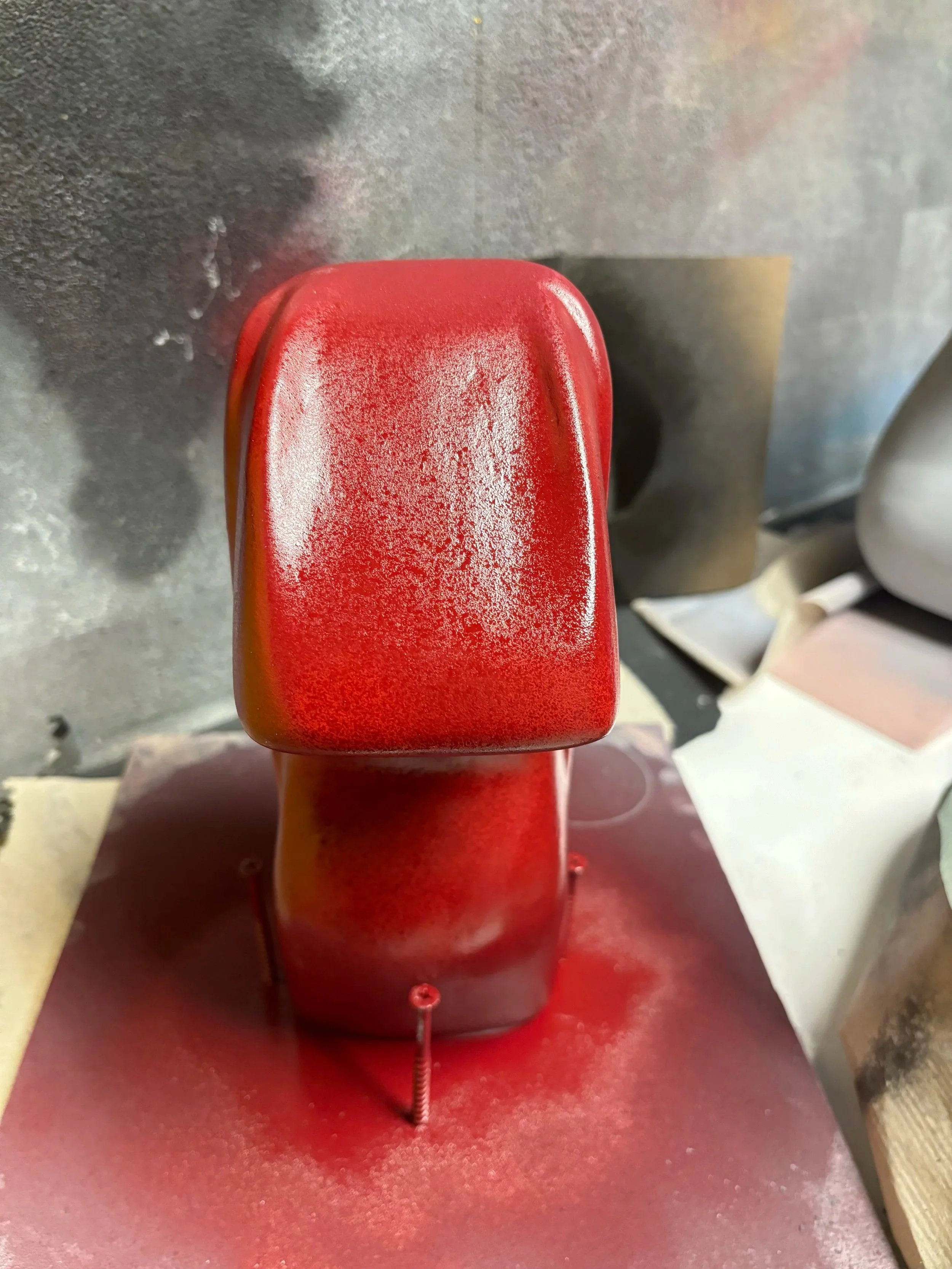
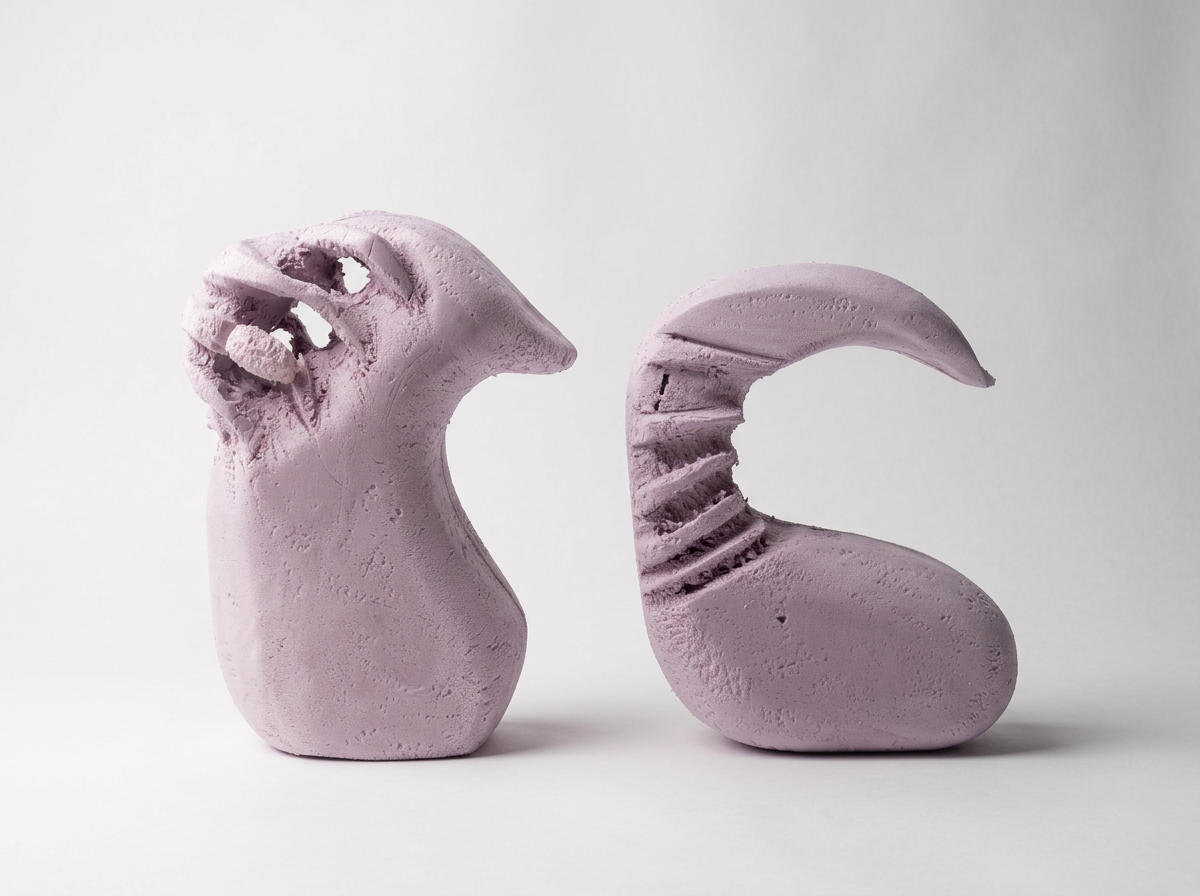
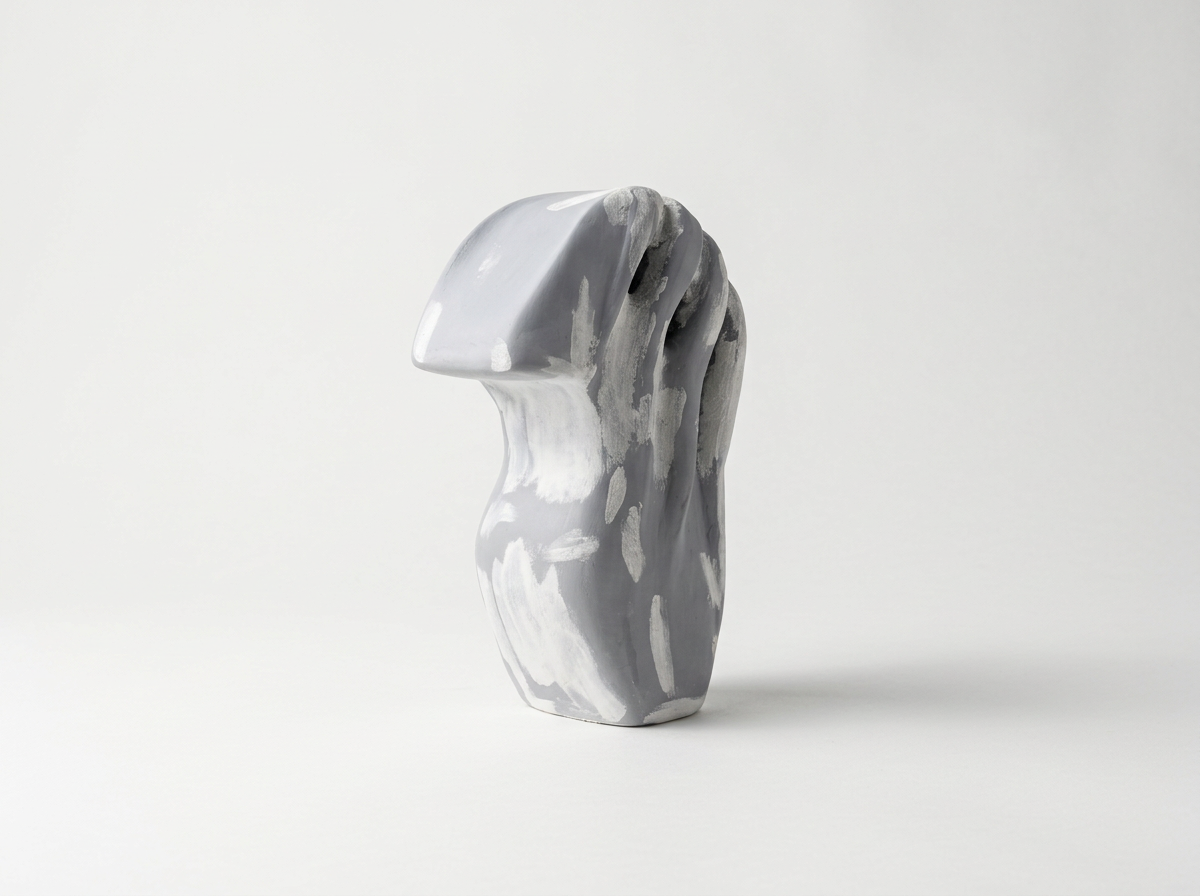
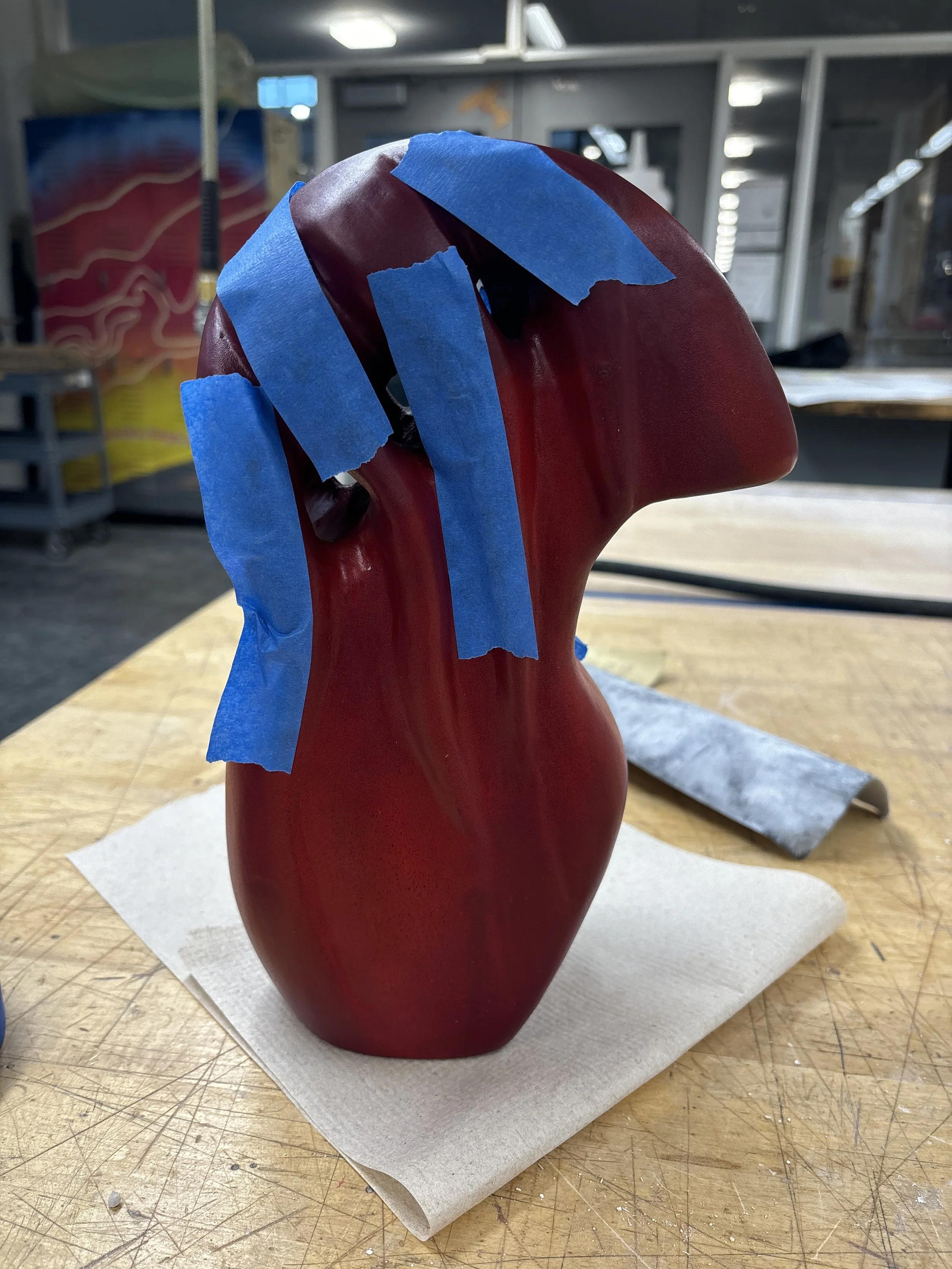
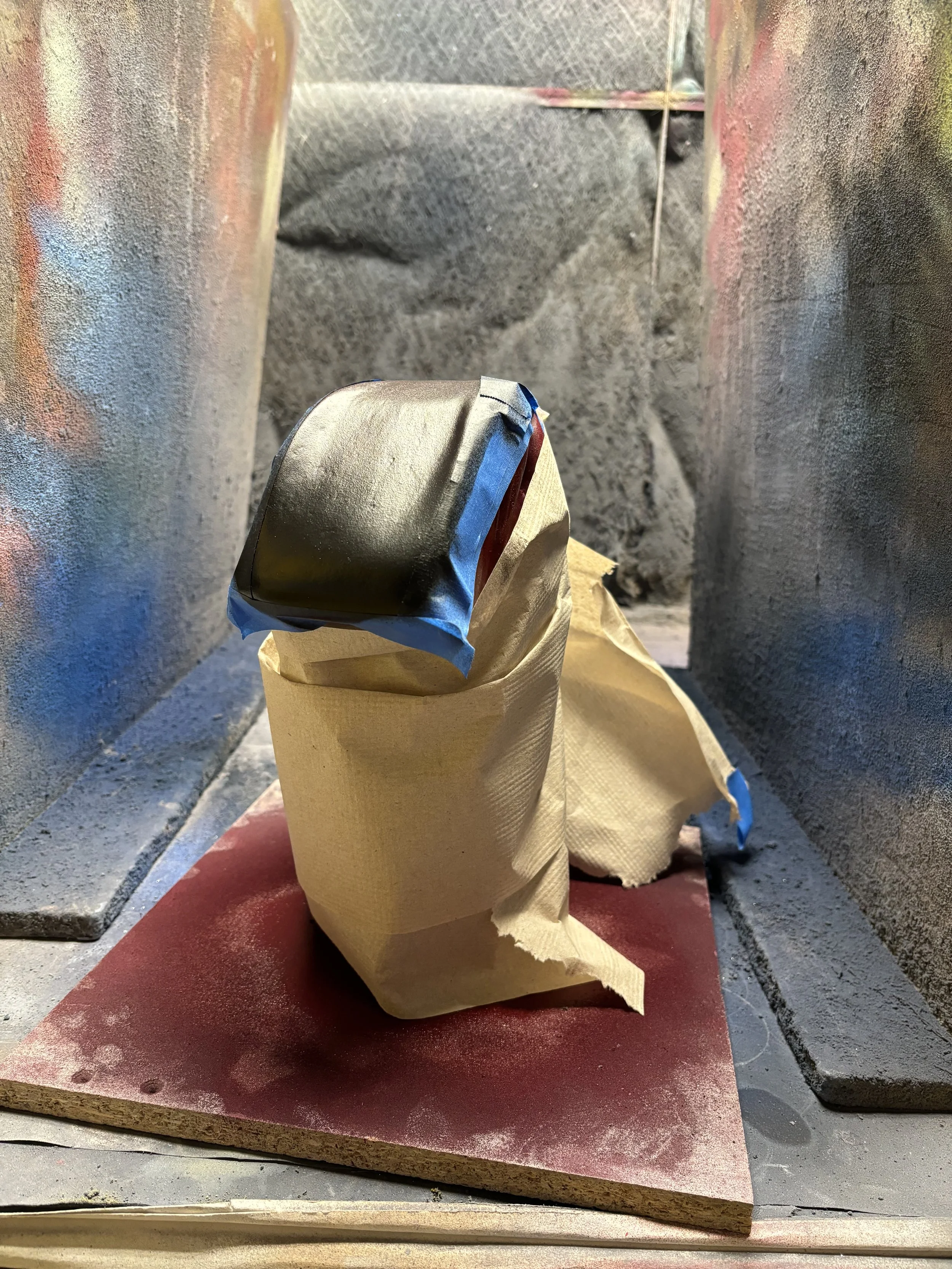
During the prototyping phase, I used XPS foam to explore different shapes and forms, allowing me to experiment with the overall structure and proportions of my vessel. This process helped me understand how my ideas could translate from sketches into a physical object.
Once I selected a form that best expressed the emotion of dread, I moved on to HDU foam to further refine the shape. I also used clay to mold and develop the form, allowing me to experiment with the finer details and create a more cohesive design. Through this hands-on process, I was able to bring my concept to life while learning new techniques for working with different materials.
Final
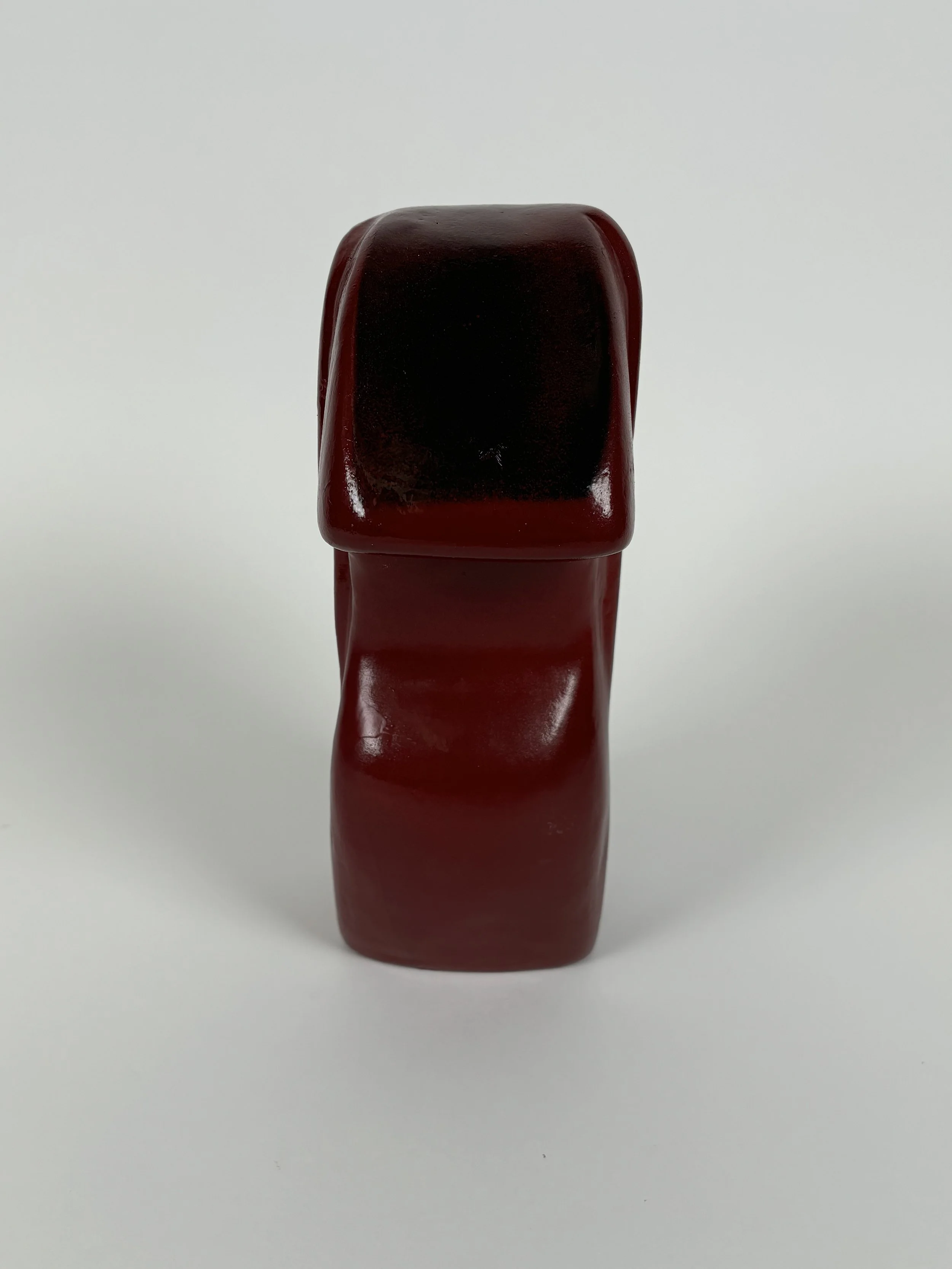
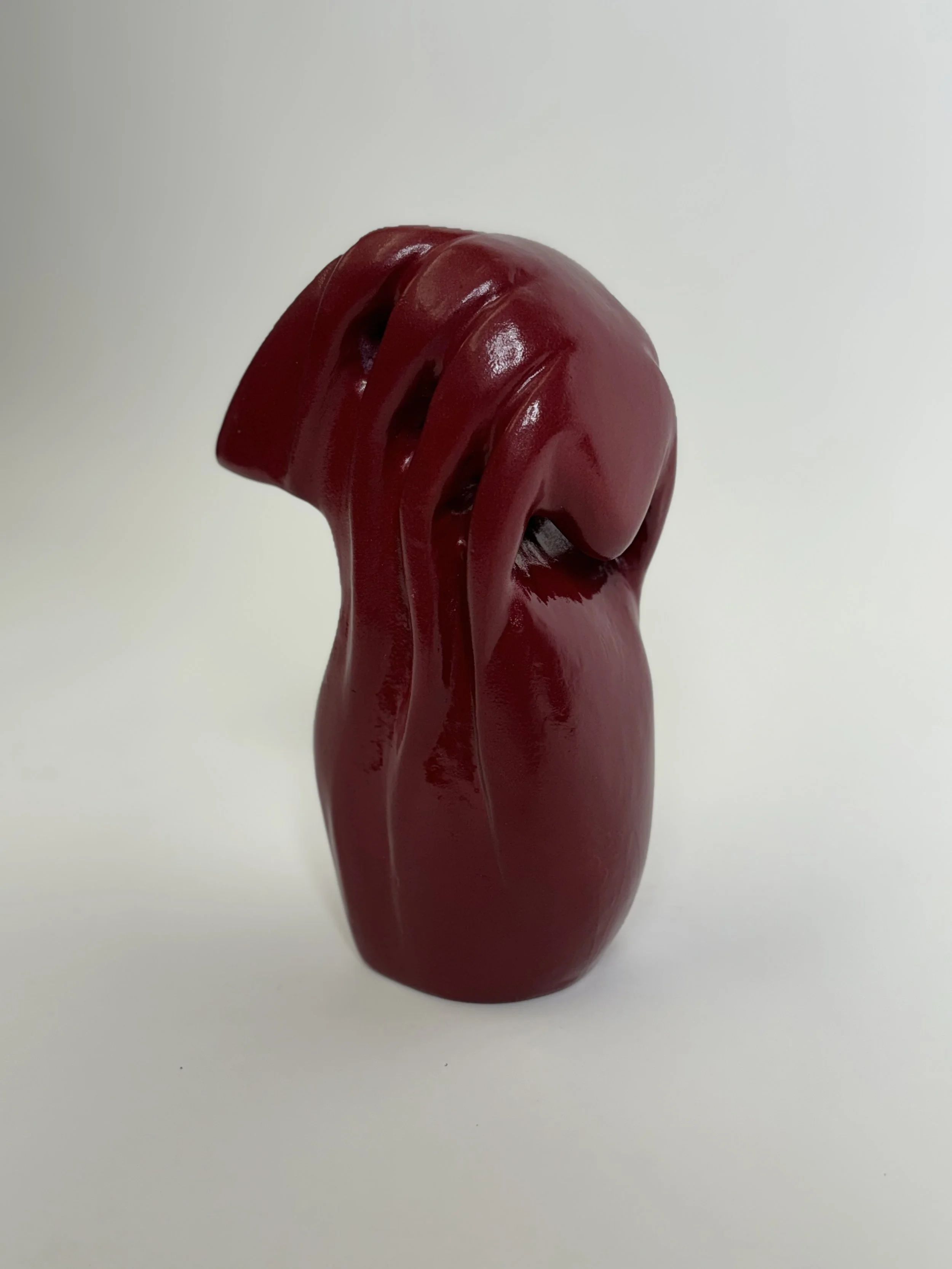
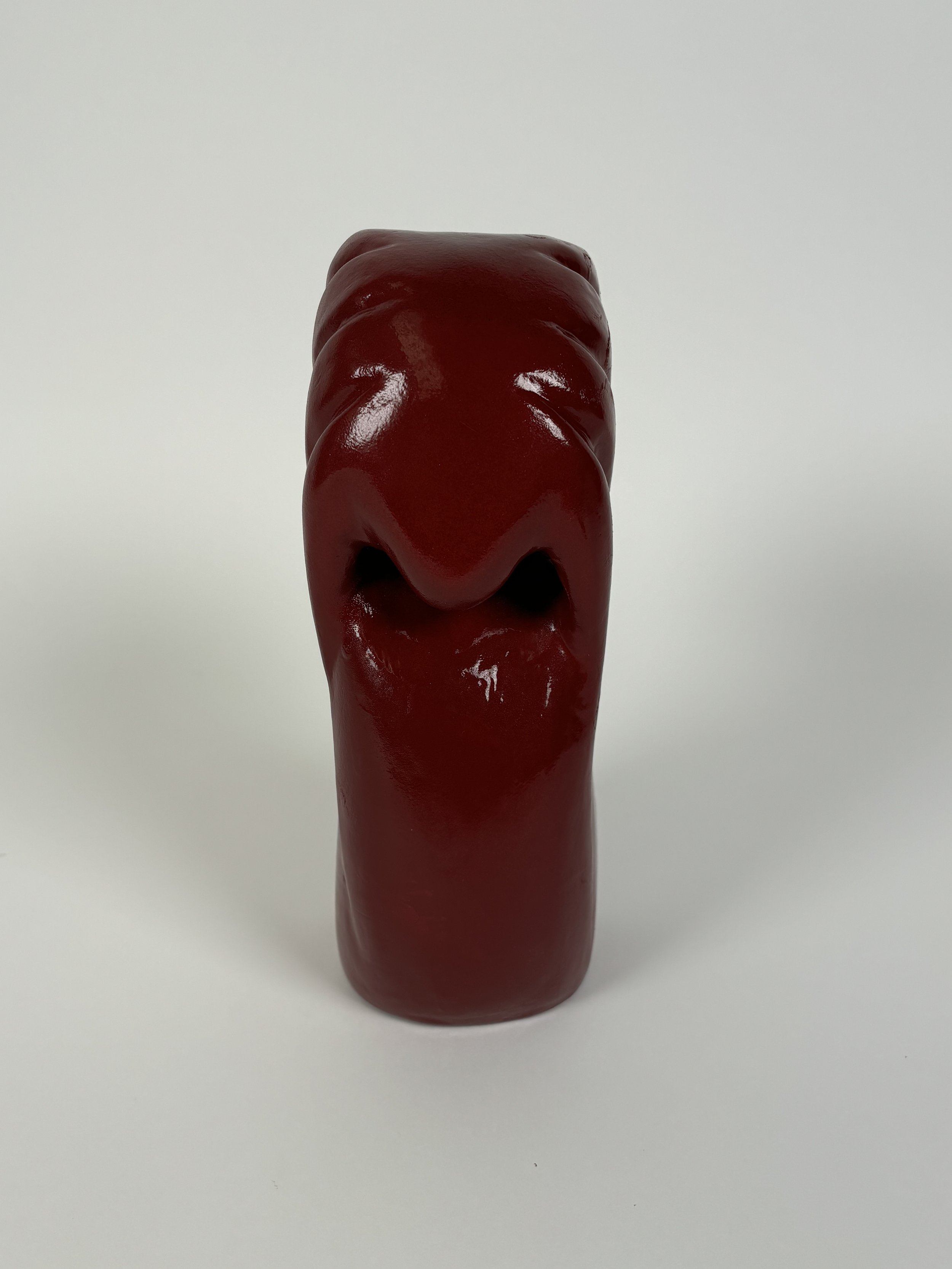
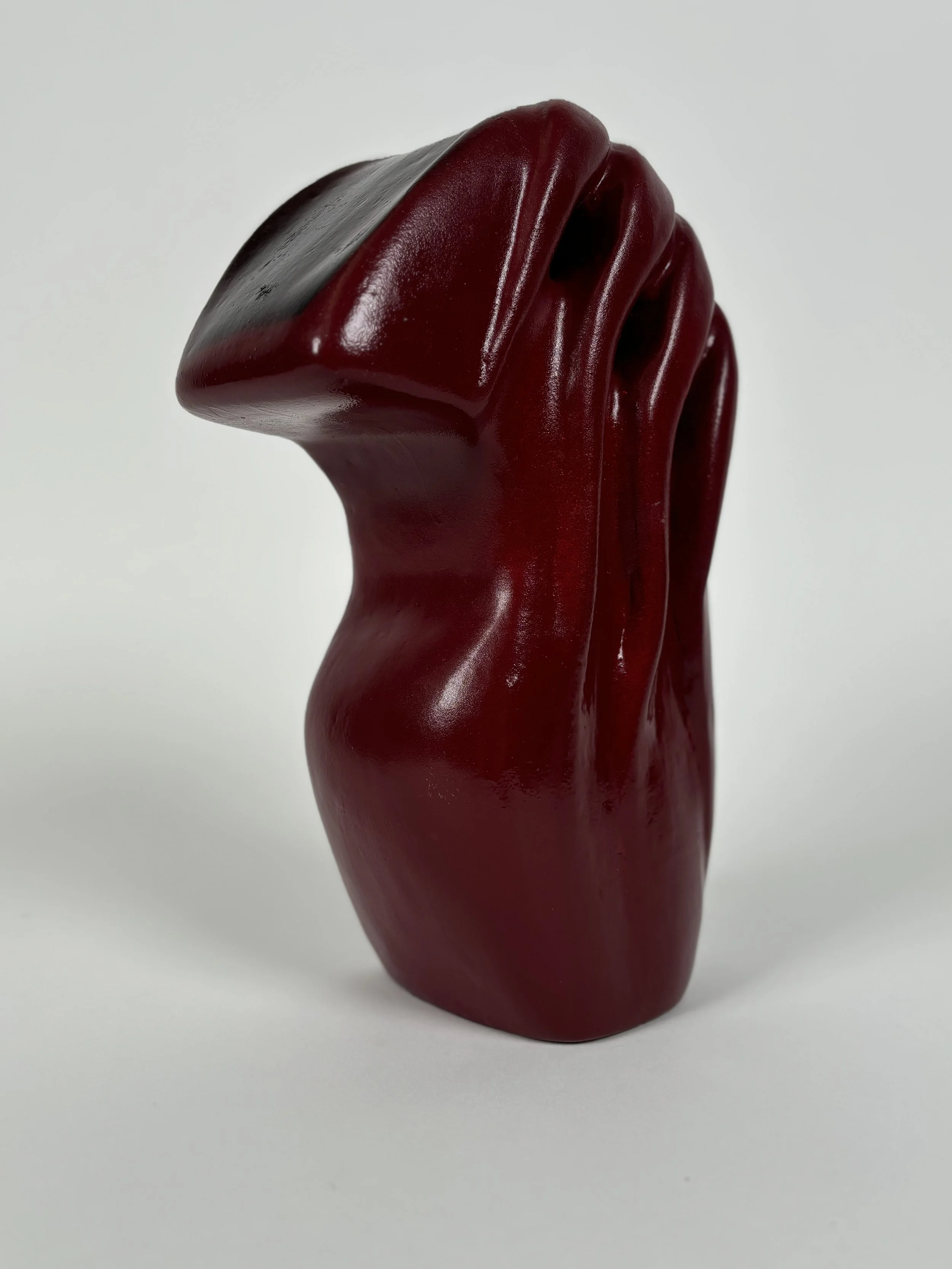
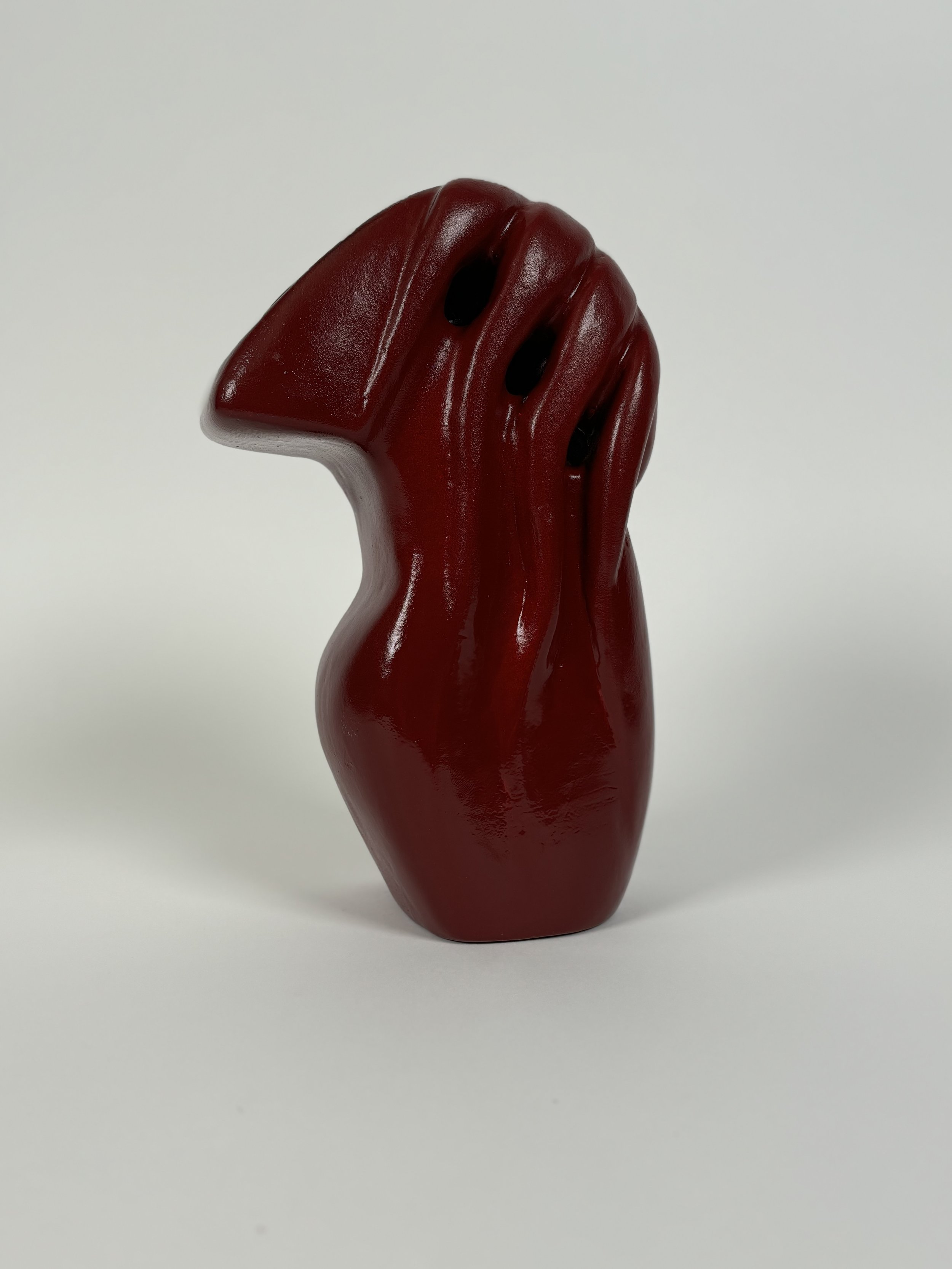
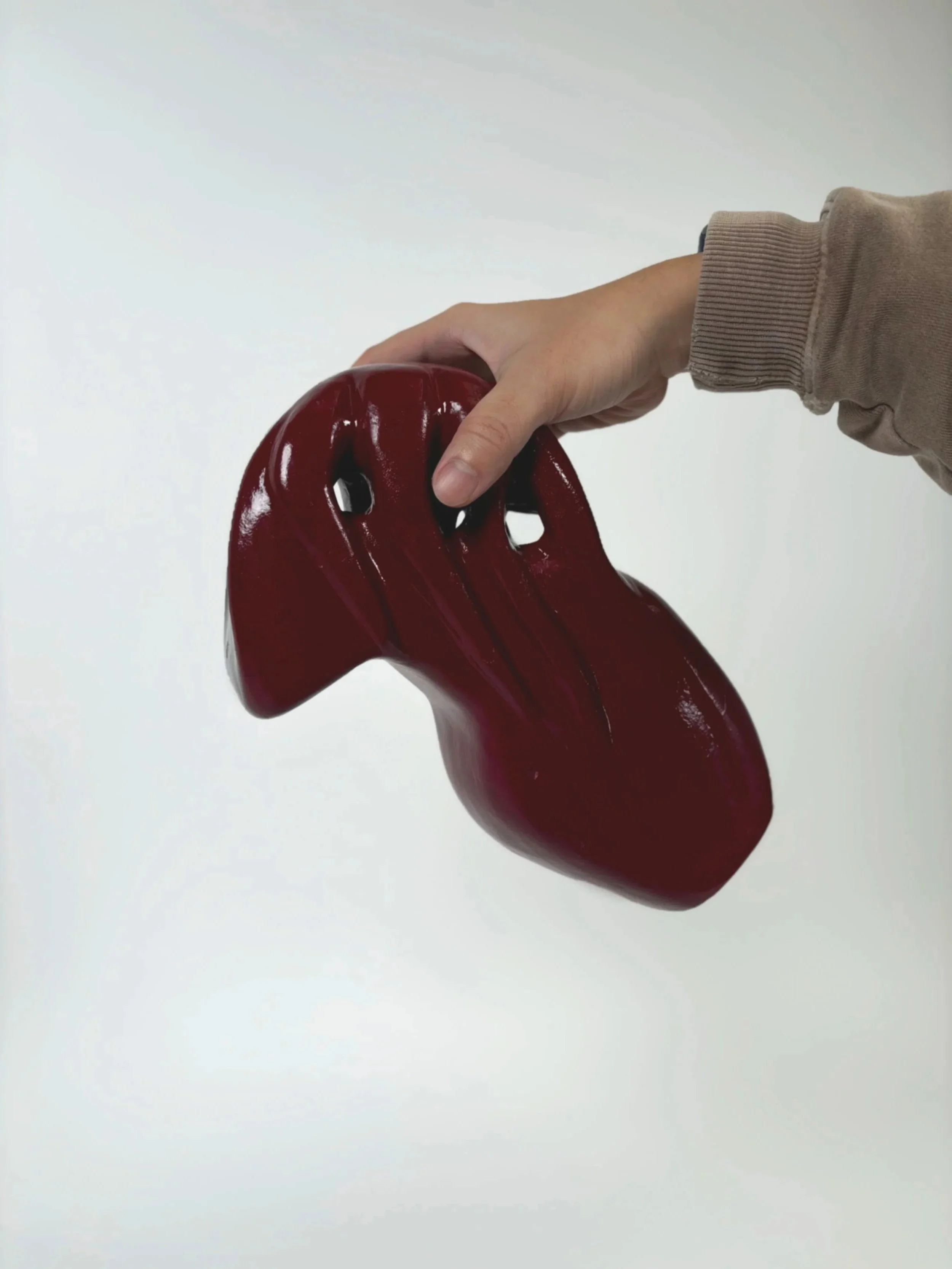
My final design expresses dread through an alien spider-like creature that latches onto the vessel, appearing to suck its blood while becoming the handle itself. This unsettling form transforms an ordinary pitcher into something disturbing and unfamiliar.